
The Ultimate Fence Installation Guide: How Fence Installation Works

Installing a fence is more than just putting up some posts and panels. It’s about creating a boundary that offers security, privacy, and style. Whether you want to protect your home, define your property, or keep animals safe, understanding how fence installation works is key to getting the best results. I’m here to walk you through the entire process, step by step, so you can feel confident about your next fencing project.
Fence Installation Guide: Planning and Preparation
Before you even pick up a shovel, planning is crucial. Start by deciding the purpose of your fence. Is it for privacy, security, decoration, or to keep pets and children safe? Knowing this helps you choose the right materials and design.
Next, check local regulations and property lines. You don’t want to build a fence that crosses into your neighbor’s yard or violates city codes. Contact your local utility companies to mark underground lines to avoid costly accidents.
Once you have the green light, measure your property carefully. Accurate measurements ensure you buy the right amount of materials and avoid waste. Sketch a simple map of your fence layout, including gates and corners.
Pro tip: Choose materials that suit your climate and maintenance preferences. For Central Florida, materials like vinyl, aluminum, and treated wood work well against humidity and pests.
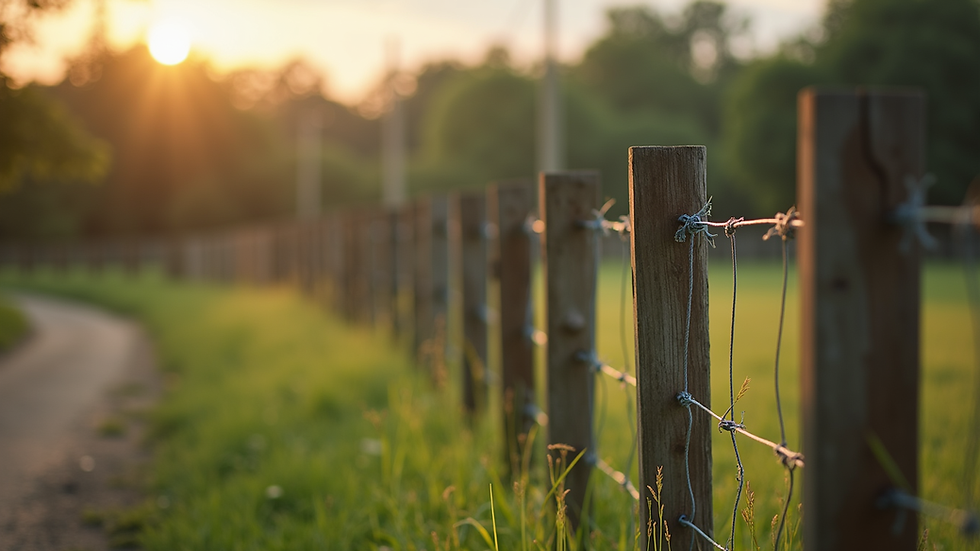
Step-by-Step Fence Installation Process
Now, let’s get into the nuts and bolts of fence installation. Here’s how it typically goes:
Mark the Fence Line
Use stakes and string to outline where the fence will go. This visual guide helps keep everything straight.
Dig Post Holes
Use a post hole digger or auger to dig holes about 2-3 feet deep, depending on fence height and soil type. Deeper holes mean stronger support.
Set the Posts
Place posts in the holes and fill with concrete or compacted soil. Make sure each post is level and aligned with the string line.
Attach Rails and Panels
Once posts are secure, attach horizontal rails. Then, fix fence panels or individual pickets to the rails.
Install Gates
Attach gate posts with extra support. Hang the gate and check for smooth operation.
Finishing Touches
Add caps to posts, paint or stain wood fences, and clean up the site.
This process might sound straightforward, but it requires precision and patience. A poorly installed fence can lean, sag, or fail prematurely.
What is the 7 Year Fence Law?
In some regions, including parts of Florida, there’s a rule known as the "7 Year Fence Law." This law states that if a fence has been in place for seven years or more, it is considered a legal boundary between properties. This means neighbors cannot remove or alter the fence without mutual agreement.
Understanding this law is important if you’re planning to replace or repair an existing fence. It helps avoid disputes and ensures you respect property rights.
If you’re unsure about how this law applies to your property, consult a local expert or legal advisor before starting your project.
Choosing the Right Fence for Your Needs
Selecting the right fence material and style is a game-changer. Here are some popular options and their benefits:
Wood Fences
Classic and versatile. Wood offers privacy and a natural look but requires regular maintenance like staining or sealing.
Vinyl Fences
Durable and low-maintenance. Vinyl resists rot, insects, and weather damage, making it ideal for Central Florida’s climate.
Aluminum Fences
Lightweight and rust-resistant. Aluminum fences provide security without blocking views.
Chain Link Fences
Affordable and practical. Great for security and pet containment but less private.
Composite Fences
Made from recycled materials, composite fences combine durability with a wood-like appearance.
When choosing, consider your budget, maintenance willingness, and the fence’s purpose. For example, a privacy fence around a backyard pool might call for tall wood or vinyl panels, while a decorative front yard fence could be aluminum.
Why Professional Fence Installation Matters
While DIY fence installation might seem tempting, hiring professionals has clear advantages. Experienced installers bring:
Expertise in local codes and regulations
Proper tools for efficient and safe installation
Quality workmanship that ensures your fence lasts for years
Time savings so you can focus on other priorities
Plus, professionals can help you select the best materials and design for your property. If you want a fence that looks great and stands strong, investing in expert installation is a smart move.
If you want to learn more about professional fence installation, check out trusted local companies that specialize in durable, high-quality fencing solutions.

Maintaining Your Fence for Longevity
Once your fence is up, maintenance keeps it looking and performing well. Here are some tips:
Inspect regularly for damage, loose posts, or rust
Clean fences with mild soap and water to remove dirt and mildew
Repaint or reseal wood fences every few years to protect against moisture
Trim vegetation near the fence to prevent rot and damage
Lubricate gate hinges to keep them working smoothly
Proper care extends your fence’s life and saves money on repairs or replacements.
Ready to Secure Your Property with Confidence?
Installing a fence is a big step toward enhancing your property’s value, security, and curb appeal. With the right planning, materials, and installation process, you can enjoy a fence that meets your needs and stands the test of time.
Remember, a well-installed fence is more than just a boundary - it’s a statement of care and quality. Whether you choose wood, vinyl, aluminum, or another material, make sure you follow the steps outlined here for a smooth, successful project.
If you want to ensure your fence is done right the first time, consider reaching out to professionals who understand the unique demands of fencing in Central Florida. Your property deserves nothing less than the best.
Happy fencing!


Comments